
When planning a custom home, you’ll encounter many construction methods—each with its own strengths, materials, and style. One of the most familiar and time-tested options is the conventional stick-built home. While modern technologies such as Structural Insulated Panels (SIPs) and timber framing have gained popularity, stick-built construction remains one of the most common ways to build a home in America.
At Woods Hill Log Homes and Stephin Dunn Construction, we appreciate the enduring craftsmanship and flexibility of stick-built homes. Although we specialize in log and timber frame homes, we also understand that conventional stick-built methods hold lasting appeal for homeowners who value a classic approach to design and construction.
What Is a Stick-Built Home?
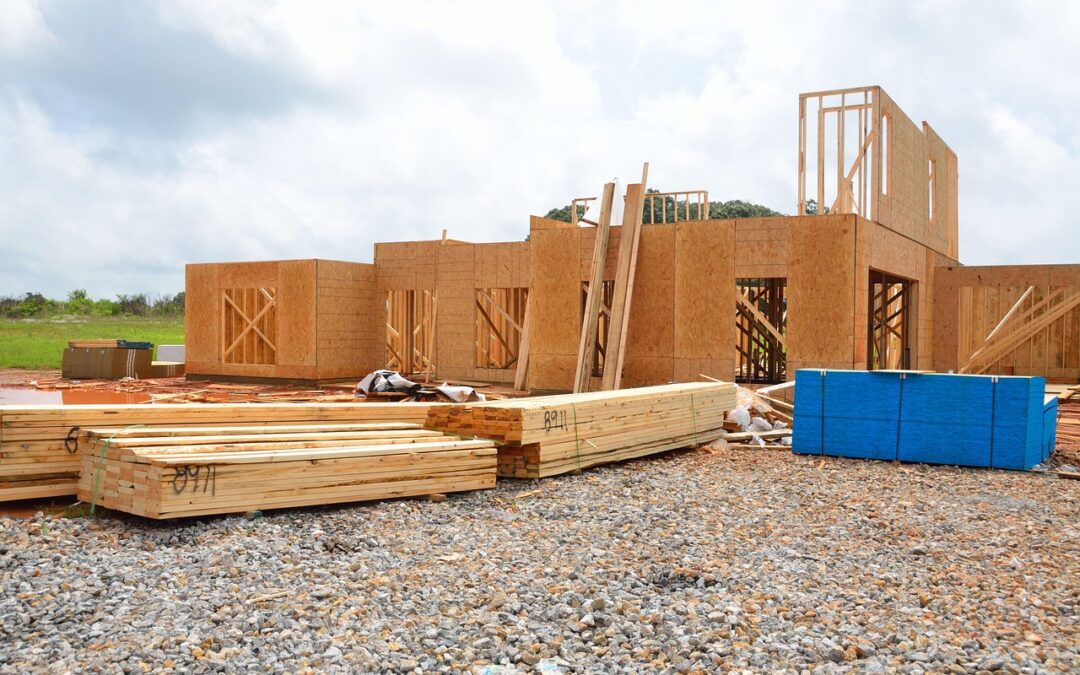
A stick-built home refers to a house constructed piece by piece on-site using dimensional lumber—typically 2x4s or 2x6s—to form the framework of walls, floors, and roofs. These “sticks” create the skeleton of the home, which is then covered with sheathing, insulation, and exterior siding.
This traditional method has been used for generations and continues to be the most common form of residential construction in the United States. Each component is assembled on-site, allowing for flexibility in design, adaptation to the landscape, and full customization as the build progresses.
Unlike modular or panelized homes, which are built in factories and transported to the site, a stick-built home comes together piece by piece where it will stand—offering homeowners the chance to make real-time adjustments and maintain a hands-on connection with the process.
The Advantages of Stick-Built Construction
While there are many ways to build a home today, stick-built construction offers several advantages that make it an enduring favorite.
1. Flexibility in Design
Because stick-built homes are framed on-site, they offer endless design possibilities. Builders and homeowners can make changes during construction, adapting layouts or features as the project develops. This flexibility allows for unique architectural details, varying rooflines, and personalized room arrangements that might not be as easy to achieve with prefabricated systems.
Whether you envision a classic farmhouse, a craftsman-style home, or a modern mountain retreat, stick-built construction provides the framework to bring that design to life.
2. Widespread Material Availability
Conventional framing lumber is readily available throughout the country. This easy access to materials helps streamline the building process and keeps construction costs predictable. Repairs or modifications down the road are also simple, since lumber sizes and fasteners used in stick-built homes are standardized and widely stocked.
3. Proven Construction Method
Stick-built homes have stood the test of time. Their construction methods are well understood by builders, architects, and inspectors across the industry. Because of this, the permitting process tends to move smoothly, and finding experienced tradespeople is easier than with more specialized building techniques.
For homeowners who prefer a tried-and-true approach with predictable outcomes, stick-built construction offers peace of mind.
4. On-Site Customization
Since everything is built on-site, adjustments can be made during construction to account for the land’s slope, the view, or specific aesthetic choices. For example, window placement can be modified for better sunlight, or room layouts can be adjusted to improve flow.
This level of hands-on customization appeals to homeowners who want a home that truly fits their lifestyle and property.
5. Compatibility with Traditional Building Materials
Stick-built homes easily incorporate materials such as brick, stone, vinyl, or wood siding. They also accommodate a wide variety of roofing materials, from asphalt shingles to metal panels. Because of this adaptability, homeowners can match their home’s style to its surroundings—whether in a wooded mountain setting or a suburban neighborhood.
Comparing Stick-Built to Log and Timber Homes
At Woods Hill Log Homes, we often help clients decide between log, timber frame, and stick-built construction. Each offers distinct benefits and aesthetics.
A log home is crafted from solid logs that form both structure and finish, creating a natural, rustic feel. A timber frame home features exposed beams and open spaces with walls often filled by modern insulation systems such as SIPs.
A stick-built home, in contrast, uses standard framing techniques that can support almost any style—from contemporary to traditional. It allows for drywall interiors, varied siding materials, and a wide range of finishes, making it ideal for homeowners who want a balance of efficiency and familiarity.
Considerations When Choosing Stick-Built Construction
While stick-built homes remain a reliable option, there are a few points to consider when deciding if it’s right for you.
-
Energy Efficiency: Traditional framing can allow for more air leaks and thermal bridging than SIP or log systems unless high-quality insulation and air-sealing measures are used.
-
Build Time: Because construction occurs entirely on-site, weather delays can impact timelines. Prefabricated systems like SIPs or modular panels often reduce exposure to these delays.
-
Maintenance: Like all wood-based homes, stick-built structures require regular upkeep to protect against moisture and ensure long-term durability.
However, with proper design and skilled craftsmanship, a conventional stick-built home can perform efficiently and stand strong for generations.
Why Woods Hill Log Homes Values All Building Styles
Although “log homes” is in our name, Woods Hill Log Homes recognizes that every homeowner’s dream is unique. Some clients want the bold character of handcrafted logs, others prefer the dramatic beams of a timber frame, and many are drawn to the familiar charm and flexibility of a conventional stick-built design.
Our team works closely with each homeowner to select the construction style that best suits their vision, land, and lifestyle. We bring the same attention to detail, quality materials, and craftsmanship to every project, regardless of method.
Conclusion: Tradition Built to Last
Conventional stick-built homes remain a cornerstone of American home construction for good reason. Their flexibility, accessibility, and proven reliability make them an excellent choice for homeowners seeking a timeless and customizable build.
At Woods Hill Log Homes, we understand that the best home is one that reflects your dreams and stands the test of time. Whether you’re drawn to the warmth of logs, the elegance of timber frames, or the classic familiarity of stick-built construction, we can help you design and build a home that fits your vision perfectly.
Contact Woods Hill Log Homes today to explore your options and start planning the custom home that’s built just for you.